Introduction: Why Auto Parts Matter More Than You Think
Your vehicle is much more than a means of transport; it’s a finely tuned symphony of engineering, where every part—from the tiniest bolt to the largest engine block—works in harmony to deliver performance, safety, and comfort. Yet, for many drivers, auto parts remain a mysterious underworld, only explored when something breaks down. Understanding auto parts not only empowers you as a car owner but also helps in maintaining, upgrading, or restoring your vehicle in a more informed manner.
This article takes a refined look at the essential auto parts that keep your car running smoothly, while offering thoughtful insights into their roles, maintenance tips, and how to shop for quality replacements.
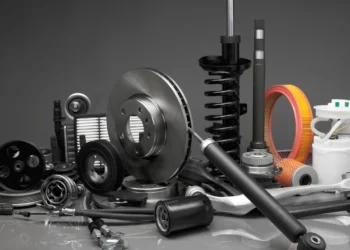
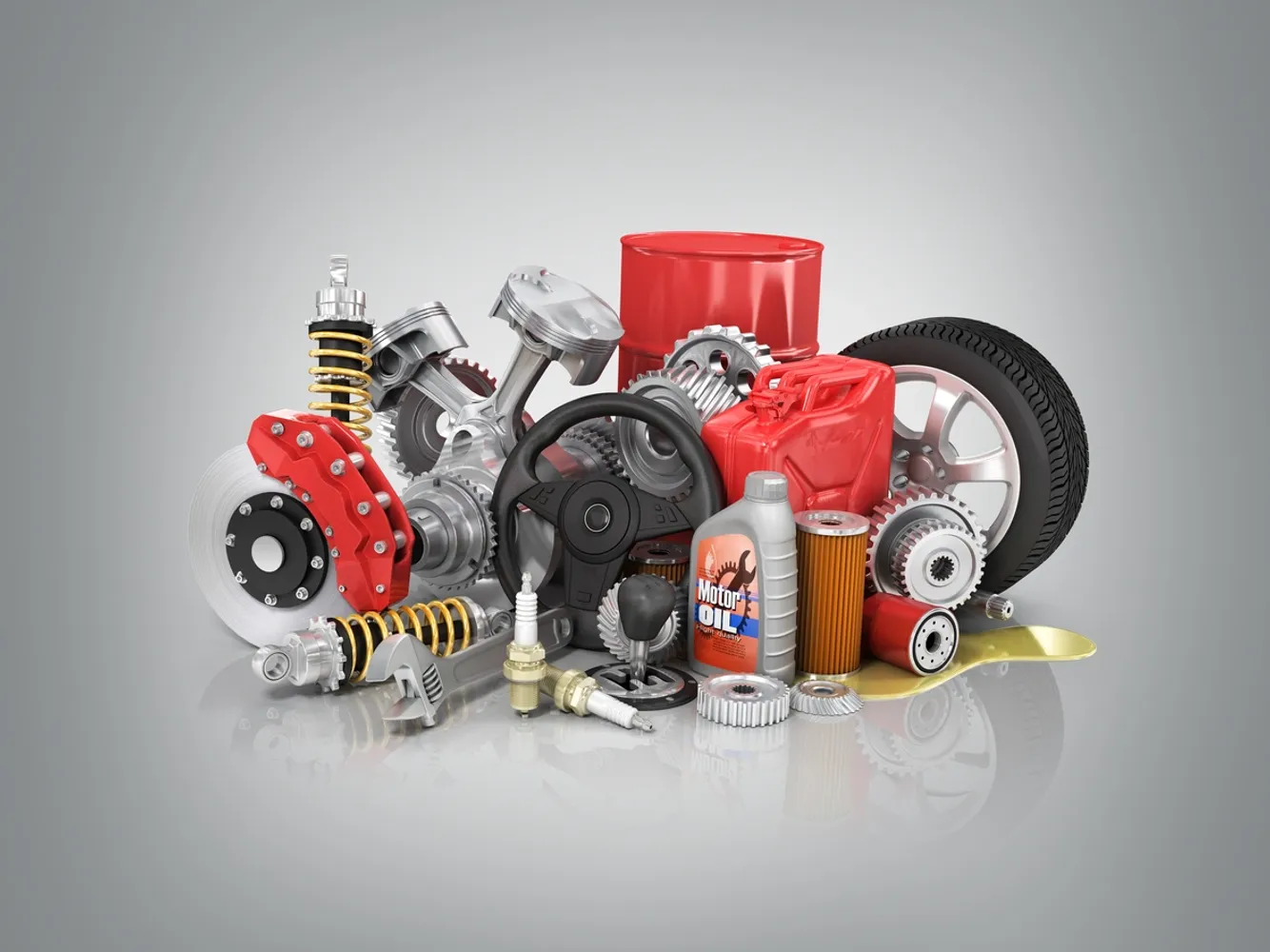
The Building Blocks: Core Auto Parts Explained
Whether you’re driving a high-performance sports car or a modest city sedan, the fundamental components remain largely the same. Here’s a breakdown of the most critical auto parts that constitute the modern automobile:
1. Engine System
Often referred to as the heart of the vehicle, the engine converts fuel into mechanical energy. Major components include:
-
Cylinder block – The central structure housing pistons.
-
Crankshaft – Converts piston movement into rotational energy.
-
Camshaft – Controls the timing of valve openings.
-
Timing belt/chain – Synchronizes crankshaft and camshaft motion.
Routine oil changes and timely belt replacements can prolong engine life significantly.
2. Transmission System
This system transmits power from the engine to the wheels, adapting torque and speed as needed.
-
Manual transmission – Requires driver input to shift gears.
-
Automatic transmission – Self-adjusts gear ratios based on driving conditions.
-
Clutch (manual) / Torque converter (automatic) – Regulates power transfer from engine to transmission.
Proper fluid levels and scheduled servicing are crucial for a healthy transmission.
3. Suspension and Steering
Responsible for ride comfort and vehicle handling:
-
Shock absorbers and struts – Dampen road impact.
-
Control arms and bushings – Maintain alignment and stability.
-
Power steering pump and rack – Assist in smooth, responsive steering.
An unresponsive or bumpy ride often points to suspension wear.
4. Brake System
Your vehicle’s primary safety mechanism:
-
Brake pads and rotors – Create friction to stop wheels.
-
Brake calipers – Clamp pads onto rotors.
-
Brake lines and fluid – Transmit pedal force to brakes.
Brake inspection every 10,000–15,000 km can prevent hazardous failures.
5. Electrical and Lighting Components
Modern vehicles are heavily reliant on electrical systems:
-
Battery and alternator – Power and recharge electrical components.
-
Starter motor – Cranks the engine upon ignition.
-
Headlights, tail lights, and indicators – Ensure visibility and safety.
Weak lights or frequent battery drains should never be ignored.
6. Cooling and Heating Systems
Regulates engine temperature and cabin climate:
-
Radiator and coolant – Dissipate heat from the engine.
-
Thermostat – Controls coolant flow.
-
Heater core and AC compressor – Manage cabin temperature.
Overheating or inconsistent cabin temperatures often signal system issues.
Shopping for Auto Parts: A Blend of Precision and Caution
Whether you’re a DIY mechanic or a cautious car owner, buying the right parts is vital. Here’s how to navigate the marketplace effectively:
Key Considerations
-
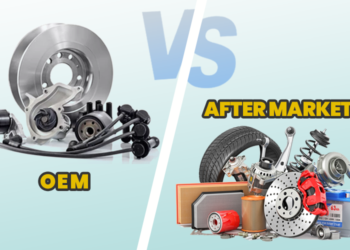
OEM vs Aftermarket
OEM (Original Equipment Manufacturer) parts match the car’s original components. They offer perfect fit and reliability but at a higher cost. Aftermarket parts, while cheaper, vary in quality and compatibility. -
Fitment and Compatibility
Always check the part number and vehicle specifications—make, model, engine type, and year. A wrong fit can lead to more damage than benefit. -
Supplier Reputation
Choose sellers with strong reviews, warranties, and return policies. Reliable brands such as Bosch, Denso, ACDelco, and Brembo are trusted across the globe. -
Material Quality and Durability
For crucial systems like brakes or suspension, prioritize robust materials (e.g., ceramic brake pads, forged steel components) for longevity and safety.
Where to Buy
-
Authorized Dealerships – Great for guaranteed OEM parts.
-
Online Marketplaces – Sites like RockAuto, AutoZone, or CarParts.com offer wide selection and better prices.
-
Auto Salvage Yards – Good for older or rare vehicles, but inspect parts thoroughly.
Signs of Failing Auto Parts: Don’t Ignore the Warning
Knowing the early symptoms of failing parts can save you from expensive repairs or unsafe situations. Keep an eye (and ear) out for:
-
Unusual engine noises or poor acceleration
-
Difficulty shifting gears or transmission slips
-
Screeching brakes or longer stopping distance
-
Dim lights or frequent fuse blowouts
-
Overheating engine or erratic temperature readings
Prompt diagnostics and repairs can prevent minor issues from snowballing.
The Future of Auto Parts: Technology Meets Efficiency
The auto parts industry is evolving rapidly, thanks to innovations in electric vehicles (EVs), hybrid systems, and smart diagnostics. EVs eliminate many traditional parts—like the exhaust and fuel systems—but introduce new ones such as:
-
Battery packs
-
Electric drivetrains
-
Regenerative braking components
Meanwhile, modern diagnostics systems (OBD-II and connected car platforms) can predict part failures before they occur, revolutionizing maintenance.
Sustainability is also on the rise, with manufacturers exploring recycled materials and 3D printing for part production—making the future of auto parts not just smarter but greener.
Conclusion: Knowledge is the Best Maintenance Tool
Owning and maintaining a vehicle becomes significantly easier when you understand the purpose and function of its parts. From ensuring optimal performance to preventing breakdowns, being well-informed is your first defense against unexpected automotive troubles. Whether you’re choosing to replace a worn-out timing belt or upgrading your brakes for better performance, your vehicle will reward you with reliability, safety, and peace of mind.