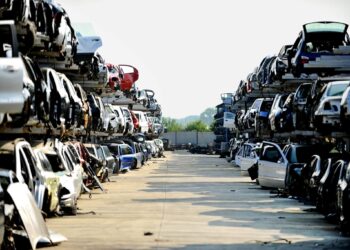
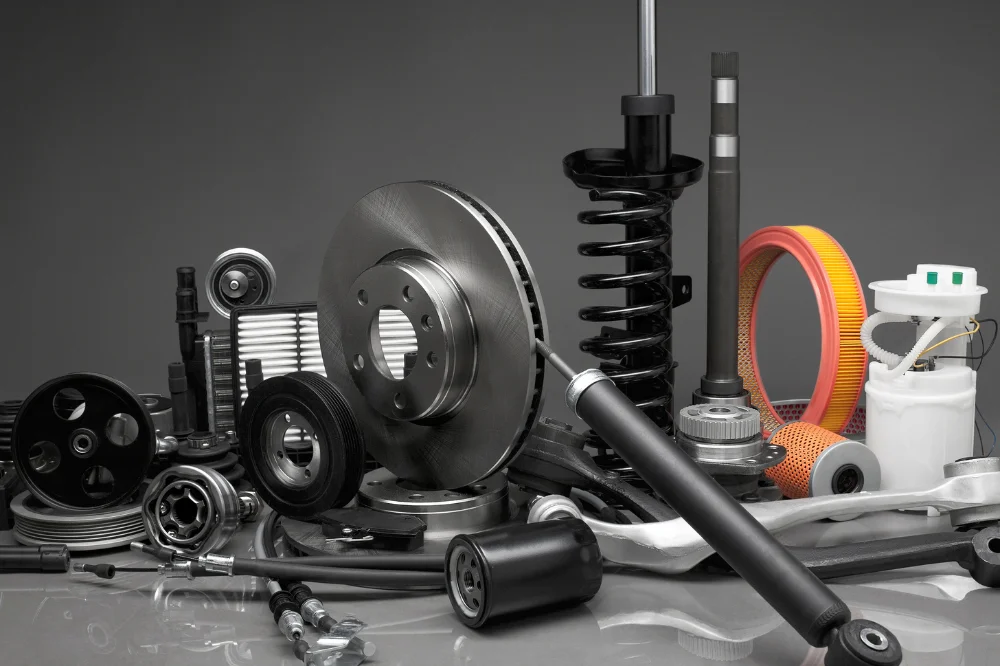
Maintaining a vehicle can quickly turn into an expensive endeavor. Between routine oil changes, seasonal tire rotations, and unexpected mechanical breakdowns, the costs associated with keeping a car roadworthy add up over time. It is completely natural for car owners to look for ways to economize when a major component requires replacement. The automotive salvage market, used auto parts retailers, and online peer-to-peer marketplaces offer a massive selection of components at a fraction of the cost of new equipment.
For certain non-critical, static components, purchasing used items makes perfect sense. Buying a replacement side-view mirror housing, an interior door trim panel, an auxiliary control knob, or a structural body panel from a donor vehicle can save hundreds of dollars without compromising the vehicle’s driving dynamics.
However, frugality must always be balanced against safety and engineering principles. An automobile is a complex machine operating at high speeds, subject to intense thermal stress, cyclical friction, and sudden vibrational forces. Certain systems dictate whether the car can safely stop, steer, and protect its occupants during an impact. Saving money on components that are prone to invisible internal fatigue, material degradation, or single-use deployment constraints is a dangerous gamble.
1. Brake System Components
The braking network is arguably the most critical safety system on any vehicle. While it might be tempting to pull relatively clean-looking brake components from a salvaged vehicle, doing so introduces profound operational risks.
Brake Pads and Shoes
Brake pads and shoes are strictly wear items designed to sacrifice their structural material over time to generate the friction required to slow down thousands of pounds of moving steel. Used brake pads carry several severe liabilities:
-
Micro-Fracturing and Heat Crystallization: Friction material is subjected to extreme thermal cycles. Used pads may look intact but can possess internal micro-fissures or surface crystallization from previous overheating events, drastically reducing their stopping power.
-
Uneven Wear Footprints: Pads wear down in direct alignment with the specific imperfections and geometry of the brake rotor they were originally paired with. Installing them on a different rotor leads to poor contact surface area, excessive squealing, and erratic braking behavior.
Brake Rotors
Brake rotors experience warping, scoring, and rust degradation. A used rotor that has been sitting in a salvage yard is highly susceptible to atmospheric corrosion, which pits the metal surface. Furthermore, variations in thickness that are imperceptible to the naked eye can cause severe steering wheel vibration and pedal pulsation during hard deceleration.
2. Steering and Suspension Links
Steering and suspension components manage the directional control of the vehicle and absorb the continuous impact of road imperfections. When these elements fail at highway speeds, catastrophic loss of control is the typical outcome.
Ball Joints and Tie Rod Ends
These components rely on internal spherical bearings encased in specialized rubber grease boots. Once the original vehicle is driven, these joints experience constant structural load.
-
Invisible Wear Mechanisms: A used ball joint may feel tight when manipulated by hand in a salvage yard, but under the multi-ton load of a moving car, internal play can manifest rapidly.
-
Perished Contamination Seals: The rubber boots protecting these joints dry out and crack over time, especially when exposed to the elements in a stationary yard. Once the seal fails, moisture and road debris enter the joint, causing rapid abrasion and unexpected mechanical separation.
Control Arms and Bushings
Control arms are engineered to precise geometric tolerances. If a donor car ended up in a salvage yard due to a collision, the control arms may have suffered subtle bending that is impossible to detect without precision measuring instruments. Installing a slightly bent arm will permanently compromise your vehicle’s wheel alignment, leading to rapid, uneven tire destruction and unpredictable handling metrics.
3. Airbags and Supplemental Restraint System Components
The Supplemental Restraint System (SRS), commonly referred to as the airbag network, operates under strict, zero-tolerance engineering parameters. These are single-use life-saving systems that rely on highly precise chemical propellants and electronic triggers.
The Problem with Salvaged Airbag Modules
Airbags should never be purchased from a used source under any circumstances. While some unscrupulous secondary sellers repackage or harvest undeployed airbags from wrecked vehicles, this practice threatens passenger safety for several reasons:
-
Chemical Degradation of Propellants: The pyrotechnic inflator inside an airbag module contains chemical wafers that generate gas rapidly upon electrical ignition. If the donor vehicle suffered moisture intrusion, flooding, or sat in extreme humidity, the propellant can degrade. This results in either a complete failure to deploy or an overly violent explosion that shatters the housing.
-
Counterfeit Risk: The used market for SRS components is plagued by counterfeit modules or units that have been improperly rebuilt using cheap covers and non-functional resistors designed to trick the vehicle’s onboard computer into thinking the system is active.
Impact Sensors and Clocksprings
The electronic sensors that detect rapid deceleration and command airbag deployment are calibrated specifically to the vehicle structural deformation zones. Used sensors may have suffered internal electrical damage or corrosion at the terminal pins, causing accidental deployment over minor bumps or total failure during a severe crash.
4. Engine Timing Belts and Component Drives
The internal combustion engine relies on perfect mechanical synchronization to operate without destroying itself. The components responsible for maintaining this synchronization are highly susceptible to age and environmental exposure.
Timing Belts
Many modern engines utilize an interference design, meaning the valves and pistons occupy the same physical space within the cylinder head at different times. The timing belt ensures they never collide.
-
Perishable Rubber Compounds: Timing belts are constructed from specialized rubber and fiber compounds that degrade purely based on age, regardless of mileage. A used timing belt has already been subjected to structural tension, heat, and oil exposure, which breaks down the polymer chains.
-
Catastrophic Failure Modes: If a used timing belt snaps, the pistons will instantaneously slam into the open valves at thousands of revolutions per minute, bending the valves, fracturing the pistons, and destroying the engine block completely. The cost of a new belt is microscopic compared to the price of a complete engine replacement.
Tensioners and Idler Pulleys
A timing belt is only as good as the pulleys that guide it. The bearings inside tensioners dry out over time. A used pulley might spin freely by hand but seize completely when subjected to the high operational RPMs and heat of a running engine, causing the belt to strip its teeth or walk off the gears.
5. Fuel Pumps and Fuel System Injectors
Modern fuel injection networks operate under immense hydraulic pressures, requiring absolute cleanliness and precise electrical tolerances to meter fuel efficiently.
Electric Fuel Pumps
Submersible electric fuel pumps rely on the gasoline surrounding them inside the fuel tank to act as both a cooling agent and a lubricant for the internal electric motor.
-
Dry Storage Damage: When a vehicle sits in a salvage yard, the fuel tank is drained for safety. This leaves the internal mechanism of the fuel pump exposed to oxygen and residual moisture, causing immediate internal oxidation and rust formation on the delicate pump vanes and armature.
-
Imminent Seizure: When a dry, oxidized fuel pump is installed into another vehicle, the internal rust flakes dislodge, clogging the fuel strainers or seizing the electric motor entirely within a few hours of operation.
Fuel Injectors
Fuel injectors contain microscopic nozzles that spray fuel in a fine, atomized mist. Used injectors frequently suffer from varnish buildup and internal fuel deposits that dry out into a hard crust when exposed to air. This alters the spray pattern, causing lean engine conditions, misfires, poor fuel economy, and potential catalytic converter damage due to unburned fuel reaching the exhaust stream.
Frequently Asked Questions
Can I safely purchase a used engine control unit or powertrain control module?
Purchasing a used engine control unit or powertrain control module is highly discouraged for modern vehicles. These computers are deeply integrated into the specific vehicle anti-theft systems and component configurations. A used control unit from a donor car will typically carry a different Vehicle Identification Number permanently flashed into its memory, causing immediate security lockouts, communication errors with other modules, and a failure to pass mandatory state emissions inspections.
Is it acceptable to buy used tires if they show deep tread depth remaining?
Buying used tires carries significant hidden dangers, even if the remaining tread depth looks acceptable. Tires degrade internally due to oxidation and UV exposure, a process known as dry rot. A tire that sat stationary for months can develop flat spots, internal belt separation, or sidewall structural fatigue that is impossible to detect until the tire is pressurized and driven at high speeds. Tires older than six years are generally considered unsafe, regardless of how much tread is left.
Why should I avoid buying a used radiator for my cooling system?
A used radiator often suffers from internal scale buildup, mineral deposits, and corrosion that restricts the narrow passages required for optimal coolant flow. Furthermore, the plastic end tanks commonly used in modern radiators become brittle over time due to constant thermal cycles. Removing a radiator from a donor vehicle and installing it into another puts stress on these aged plastic connections, frequently leading to stress cracks, sudden coolant loss, and subsequent engine overheating.
Are used wheel bearings or hub assemblies safe to install?
No, used wheel bearings should be avoided. The delicate internal ball bearings and raceways are sealed with specialized grease designed to last the life of the unit. When a car sits in a salvage yard, moisture can breach the seals, leading to localized pitting on the bearing surfaces. Additionally, the process of removing a pressed hub assembly from a donor car often introduces immense lateral force that damages the internal bearing alignment, leading to noisy operation and rapid failure post-installation.
Can used windshield wiper motors or window regulators be safely utilized?
Yes, electric accessory motors like windshield wiper motors, window regulators, and seat adjusters are excellent candidates for used purchases. These components are non-critical for the core mechanical operation or safety of the vehicle. If a used window regulator fails, it causes an inconvenience rather than a hazardous driving situation, making the significant cost savings completely justifiable.
How can I verify if a new replacement part is authentic or a cheap counterfeit?
To protect yourself from counterfeit components, always purchase parts from established, reputable automotive retailers or authorized factory dealerships. Authentic parts will features crisp, clear branding logos, holographic security labels on the packaging, and matching part numbers stamped directly into the component body. Be extremely suspicious of critical mechanical or electronic parts sold on general online marketplaces at prices drastically lower than standard market rates.