
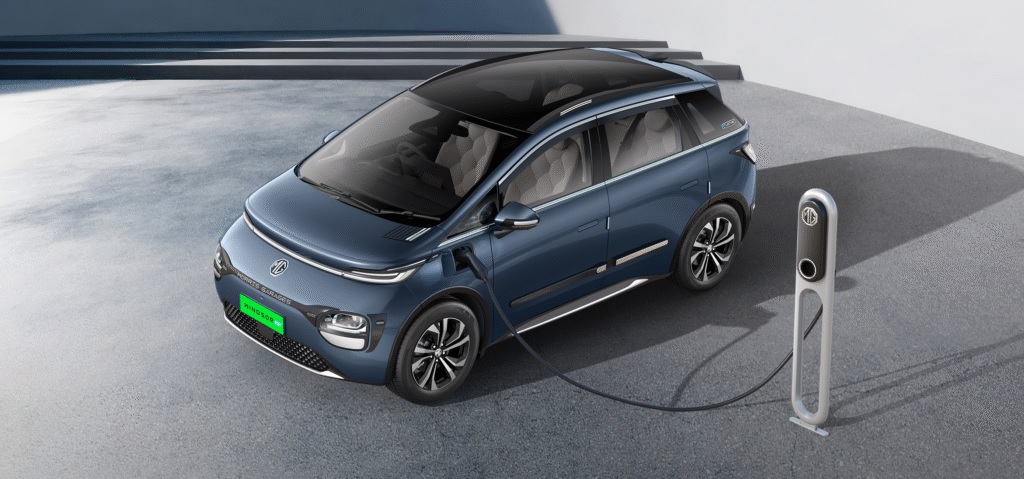
A New Direction for Modern Transportation
Electric cars are no longer just a futuristic idea. Over the past few years, they have moved from being a niche option to becoming a realistic choice for everyday drivers. As technology improves and more people become aware of environmental concerns, electric vehicles (EVs) are changing the way we think about transportation.
Unlike traditional petrol and diesel vehicles, electric cars run on battery power, reducing the need for fuel and producing fewer emissions during operation. This shift is encouraging car manufacturers to invest heavily in better battery technology, improved designs, and smarter features that make electric driving more practical.
Making Daily Travel Easier
One of the biggest changes electric cars bring is a different approach to everyday driving. For many drivers, charging at home means no longer needing regular trips to fuel stations. Instead, they can simply plug in their vehicle overnight and start the day with a charged battery.
Modern EVs are also becoming more convenient with features such as smartphone connectivity, advanced navigation systems, and intelligent driving assistance. These technologies help create a smoother experience by making journeys easier to plan and manage.
As digital services continue to focus on convenience and efficiency, industries across https://www.casinous.com/fastest-payout-casinos/ are also improving user experiences. Similarly, electric vehicle technology is evolving around the idea of making everyday experiences simpler for users.
The Growth of Charging Infrastructure
One of the main concerns for potential EV owners has always been charging availability. However, charging networks are expanding rapidly in many parts of the world. More public charging stations are being installed in shopping centres, workplaces, and along major roads, making long-distance travel more achievable.
Battery technology is also improving. Newer electric cars can travel longer distances on a single charge, while faster charging solutions are reducing the amount of time drivers need to wait.
These developments are helping remove some of the challenges that previously made people hesitant about switching to electric vehicles.
A More Connected Driving Experience
Electric cars are also becoming more connected than ever before. Many models now include software updates, voice controls, real-time vehicle monitoring, and smart systems that improve performance over time.
This means vehicles are becoming more like advanced digital devices rather than just machines. Drivers can receive updates, customize settings, and access useful information directly from their cars.
The Road Ahead for Electric Vehicles
The future of electric cars is not only about replacing fuel-powered engines. It is about creating a cleaner, smarter, and more efficient way of travelling. While challenges such as charging availability and battery costs still exist, continued innovation is making EVs more accessible to everyday drivers.
As technology continues to develop, electric vehicles are likely to become a more common part of daily life. The next generation of cars will focus on combining sustainability, convenience, and advanced features to create a better driving experience for everyone.