The Importance of Regular Auto Repair
Proper Auto Repair keeps vehicles operating safely, efficiently, and reliably throughout their lifespan. While every automobile is designed for durability, constant driving, weather exposure, and normal wear eventually affect mechanical components. Regular inspections and professional repairs help maintain performance while reducing the likelihood of unexpected failures.
Understanding basic repair needs allows vehicle owners to recognize warning signs early and make informed maintenance decisions.
Common Vehicle Systems That Require Repair
Every vehicle contains several interconnected systems that require regular attention.
These include:
- Engine
- Transmission
- Brakes
- Suspension
- Steering
- Electrical system
- Cooling system
- Exhaust system
Maintaining each system contributes to reliable vehicle operation.
Engine Maintenance and Repair
Engine performance directly affects fuel economy and reliability.
Common repair services include:
- Replacing spark plugs
- Fuel system cleaning
- Timing belt replacement
- Cooling system repairs
- Oil leak repair
- Engine diagnostics
Routine maintenance helps prevent overheating and excessive wear.
Transmission Service
The transmission transfers engine power to the wheels.
Essential transmission services include:
- Fluid replacement
- Filter changes
- Clutch repairs
- Gear diagnostics
- Seal replacement
Proper transmission maintenance promotes smooth shifting and extends component life.
Cooling System Repair
The cooling system prevents engine overheating.
Important components include:
- Radiator
- Water pump
- Thermostat
- Cooling fan
- Hoses
- Coolant reservoir
Regular coolant replacement and inspections help prevent major engine damage.
Tire and Wheel Services
Healthy tires improve safety and fuel efficiency.
Routine services include:
- Tire rotation
- Wheel balancing
- Wheel alignment
- Tire replacement
- Air pressure inspection
Proper tire maintenance supports safe handling and even tread wear.
Battery and Charging System
Reliable starting depends on a healthy electrical system.
Common battery services include:
- Battery testing
- Terminal cleaning
- Alternator inspection
- Starter testing
- Battery replacement
Routine inspections reduce the risk of unexpected starting failures.
Preventive Auto Repair
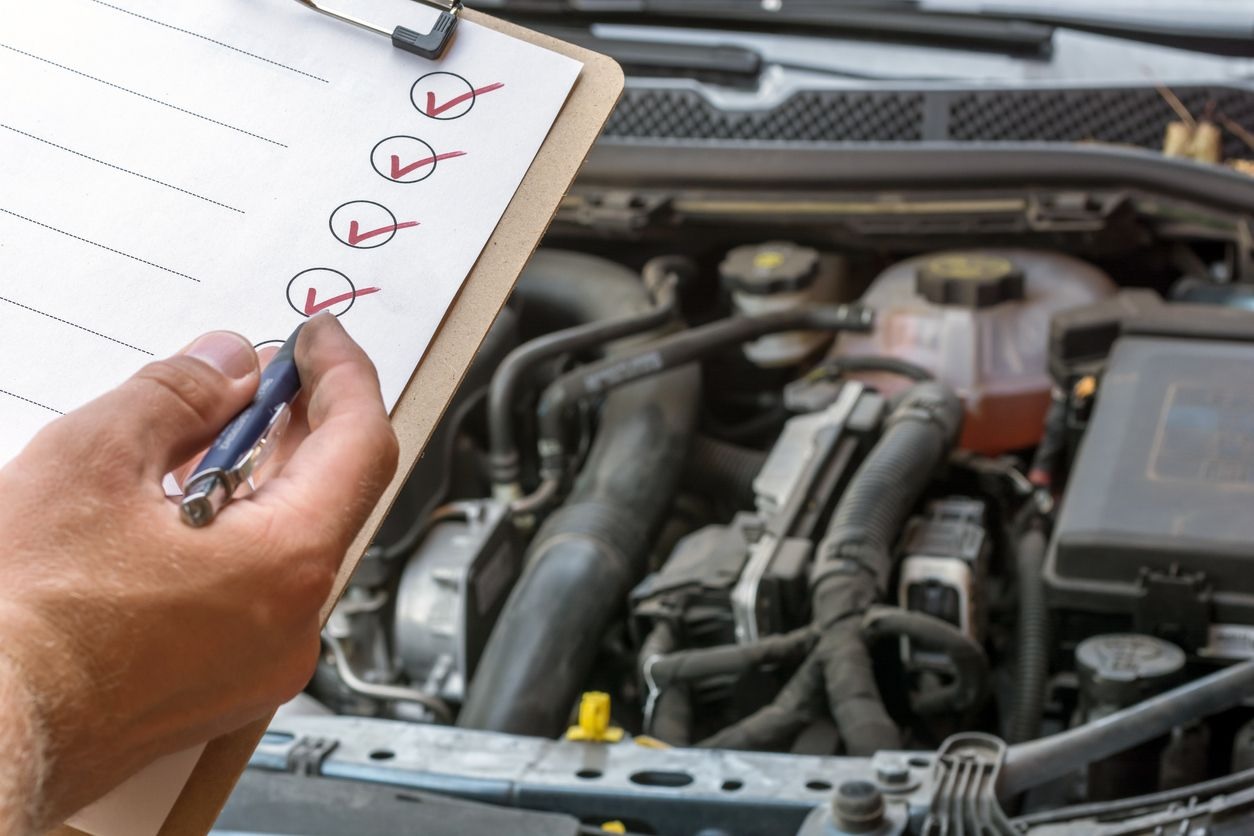
Preventive maintenance minimizes expensive repairs by identifying small problems before they worsen.
Recommended maintenance schedule includes:
- Oil changes
- Fluid checks
- Brake inspections
- Filter replacement
- Tire inspections
- Belt examinations
Preventive care reduces vehicle downtime and maintenance costs.
Common Causes of Vehicle Repairs
Vehicles may require repairs due to:
- High mileage
- Poor road conditions
- Delayed maintenance
- Extreme temperatures
- Heavy towing
- Driving habits
- Aging components
Regular servicing helps minimize wear-related problems.
Selecting Quality Replacement Parts
Reliable replacement parts contribute to long-lasting repairs.
When choosing parts:
- Verify compatibility.
- Choose trusted manufacturers.
- Compare warranties.
- Inspect product quality.
- Purchase from reputable suppliers.
Quality components improve performance and reduce repeat repairs.
Benefits of Professional Auto Repair
Professional technicians provide:
- Accurate diagnostics
- Proper installation
- Safety inspections
- Manufacturer-recommended procedures
- Specialized equipment
- Reliable repairs
Professional service helps ensure repairs are completed correctly the first time.
Conclusion
Routine Auto Repair is essential for maintaining safe, efficient, and dependable transportation. Regular inspections, preventive maintenance, and timely repairs help extend vehicle life while reducing unexpected expenses. By caring for every major system—from the engine and transmission to brakes, tires, and electrical components—drivers can enjoy smoother performance and greater peace of mind on every journey.