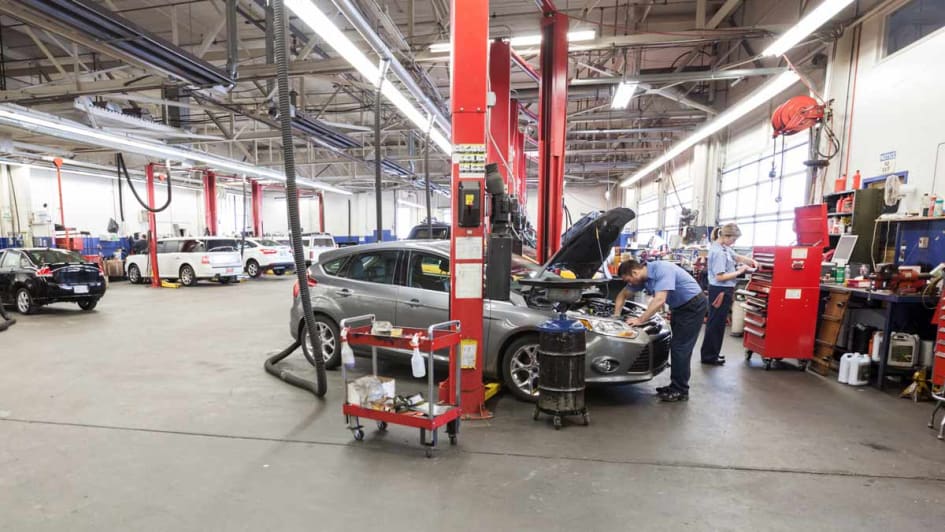
For most Americans, a vehicle is one of the largest financial investments they will make, second only to a home. Beyond the financial aspect, automobiles are essential tools that dictate our ability to commute to work, transport our families safely, and maintain our daily routines. When a vehicle suffers a mechanical failure or requires routine scheduled maintenance, finding a reliable facility to handle the repairs becomes paramount.
Unfortunately, the process of choosing a mechanic is often filled with anxiety. The automotive repair industry has historically suffered from transparency issues, leading many consumers to worry about overpaying, receiving faulty diagnostics, or authorizing unnecessary repairs. However, identifying a reputable local garage does not have to be a guessing game. By applying a systematic evaluation process, checking specific credentials, and asking targeted questions, you can establish a relationship with a trustworthy shop long before an emergency occurs.
1. Start Your Search Before You Need an Emergency Repair
The most common mistake car owners make is waiting for a major breakdown before searching for a repair shop. When your car is on the back of a tow truck and you are facing the immediate loss of transportation, your judgment is compromised by urgency. Under duress, you are much more likely to choose the closest available garage rather than the most qualified one.
The optimal time to screen a mechanic is when your vehicle requires minor, low-stakes maintenance, such as a routine oil change, tire rotation, or a new cabin air filter. Using these small service appointments allows you to test the facility firsthand. You can observe their customer service, evaluate their communication style, check their promptness, and inspect the cleanliness of the shop floor without risking thousands of dollars on a complex engine or transmission repair.
2. Verify Professional Certifications and Credentials
A simple way to separate amateur operations from professional facilities is by checking for industry-standard certifications. Trustworthy garages display their credentials prominently in the customer waiting area or on their service counter.
Look for ASE Certification
The National Institute for Automotive Service Excellence (ASE) is the gold standard for individual technician competency in the United States. To become ASE certified, a mechanic must complete at least two years of relevant work experience and pass rigorous, specialized exams covering various automotive systems.
-
ASE Master Technicians: If a facility employs mechanics who have passed exams across all core automobile specialty areas, they achieve Master Status.
-
Continuous Testing: ASE certifications are not permanent; technicians must retest every five years to retain their credentials, ensuring they stay current with evolving vehicle technologies.
Look for Shop-Level Affiliations
Beyond individual technician qualifications, look for institutional endorsements. A shop carrying an Approved Auto Repair designation from the American Automobile Association (AAA) has undergone a strict vetting process. AAA evaluates facilities based on financial stability, staff training, equipment quality, and customer satisfaction surveys. Furthermore, AAA shops agree to accept independent arbitration if a dispute arises with a customer, providing an extra layer of protection.
3. Evaluate Specialization vs. General Repair
Modern vehicles are essentially mobile computers, featuring highly complex electrical networks, proprietary software code, and specialized mechanical tolerances. While a general auto repair shop can easily manage basic items like fluid flushes, brake pads, and suspension links on almost any make or model, advanced diagnostic troubleshooting often requires specialized expertise.
When dealing with complex engine diagnostics, sophisticated electrical glitches, or advanced driver assistance systems, it is beneficial to look for a shop that specializes in your specific vehicle lineage.
-
Import Specialists: Shops focusing exclusively on European brands (like BMW, Audi, or Volvo) or Asian brands (like Honda, Toyota, or Subaru) invest heavily in the brand-specific factory scan tools and software subscriptions required to properly interface with those specific onboard computers.
-
Domestic Experts: Facilities specializing in domestic trucks and cars possess a deeper knowledge of common factory failure patterns, service bulletins, and specific part updates unique to those manufacturers.
4. Analyze Reviews with a Critical Eye
Online review platforms are highly useful tools for gauging public sentiment, but they must be interpreted intelligently. A shop with hundreds of perfect five-star reviews and zero negative remarks can sometimes be the result of manipulated review generation strategies. Conversely, a single highly emotional one-star review might simply reflect an unreasonable customer rather than a poor business practice.
When parsing through online feedback, look for consistent patterns in the commentary:
-
Positive Indicators: Look for recurring mentions of clear explanations, transparent pricing, honored warranties, and service advisers who actively discouraged customers from performing unnecessary work.
-
Negative Red Flags: Pay close attention to repeated complaints regarding unauthorized work charges, vehicles returned with greasy interiors, unreturned phone calls, or the exact same mechanical symptom returning immediately after leaving the shop floor.
-
Owner Responses: How a business responds to criticism is incredibly telling. A trustworthy business owner addresses negative feedback calmly, professionally, and displays a clear willingness to investigate the issue and make things right.
5. Ask for a Detailed Estimate and Parts Options
A reputable auto repair shop will never hesitate to provide a written, line-item estimate before turning a single wrench on your vehicle. This breakdown should separate the exact cost of labor from the price of physical components, diagnostic fees, and applicable environmental disposal taxes.
When reviewing the estimate, ask about the types of parts the shop intends to use. A trustworthy service adviser will explain the differences between Original Equipment Manufacturer (OEM) parts, premium aftermarket alternatives, and budget options, allowing you to make a choice that aligns with your financial limits and vehicle goals. If a shop refuses to provide a written estimate, uses vague terminology like miscellaneous shop fees, or pressures you to authorize immediate repairs without an explanation, politely retrieve your keys and leave.
Frequently Asked Questions
What should I do if a shop charges a diagnostic fee even if I choose not to get the repairs done there?
A diagnostic fee is a completely standard and legitimate industry practice. Pinpointing an intermittent electrical short or an elusive engine misfire requires expensive computerized scanning equipment, technical database subscriptions, and the mechanic’s professional time and expertise. Most reputable shops charge a flat fee or a single hour of labor for diagnostics. However, many facilities will waive or credit this fee toward the final bill if you choose to authorize the actual repair work at their shop.
How can I verify that the parts the mechanic claimed to replace were actually installed?
You have the absolute right to ask the shop to place your old, replaced parts in a box for your inspection when you pick up your vehicle. Examining the worn component provides physical proof of the replacement. The only common exceptions involve heavy core items, such as alternators, starters, or brake calipers, which the shop must return to the parts distributor to claim a core charge refund. For those items, a reputable technician will often be happy to show you the newly installed component while the vehicle is still lifted on the garage bay.
What is the typical length of a warranty for a professional auto repair?
A standard warranty offered by a professional independent auto repair shop is twelve months or twelve thousand miles, whichever occurs first, covering both the physical parts and the associated installation labor. High-end facilities or those affiliated with national repair networks frequently offer extended warranties reaching twenty-four months or twenty-four thousand miles. Always confirm the specific warranty terms before authorizing work and ensure the details are clearly printed on your final invoice receipt.
Can an auto repair shop legally perform extra work and charge me for it without my explicit consent?
No, in the vast majority of states, it is strictly illegal for an automotive repair facility to perform additional services and charge you for them without your explicit, prior authorization. If a technician discovers an unrelated issue while working on your car, the service adviser must contact you by phone or text, explain the new discovery, provide a revised cost estimate, and obtain your clear permission before executing the extra work.
Why do repair costs vary so dramatically between a franchise dealership and an independent garage?
Dealerships carry significantly higher operational overhead costs, utilize expensive factory-branded OEM parts exclusively, and employ technicians who specialize in a single brand, which commands higher labor rates. Independent garages generally possess lower operating overhead, have the flexibility to source high-quality, cost-effective aftermarket parts, and can adjust their profit margins to remain competitive within the local community, resulting in lower net costs for consumers.
What does it mean if a shop floor looks chaotic and dirty compared to the front waiting area?
While an auto repair shop is naturally an environment containing oil, grease, and metal debris, the actual organizational layout of the work bays speaks volumes about management standards. A professional, trustworthy shop enforces basic cleanliness and safety protocols. The floors should be swept, fluid spills should be treated immediately to prevent slips, and tools should be organized properly. A chaotic, filthy workspace often translates to sloppy repair habits, misplaced fasteners, and a general lack of pride in the quality of the workmanship.