
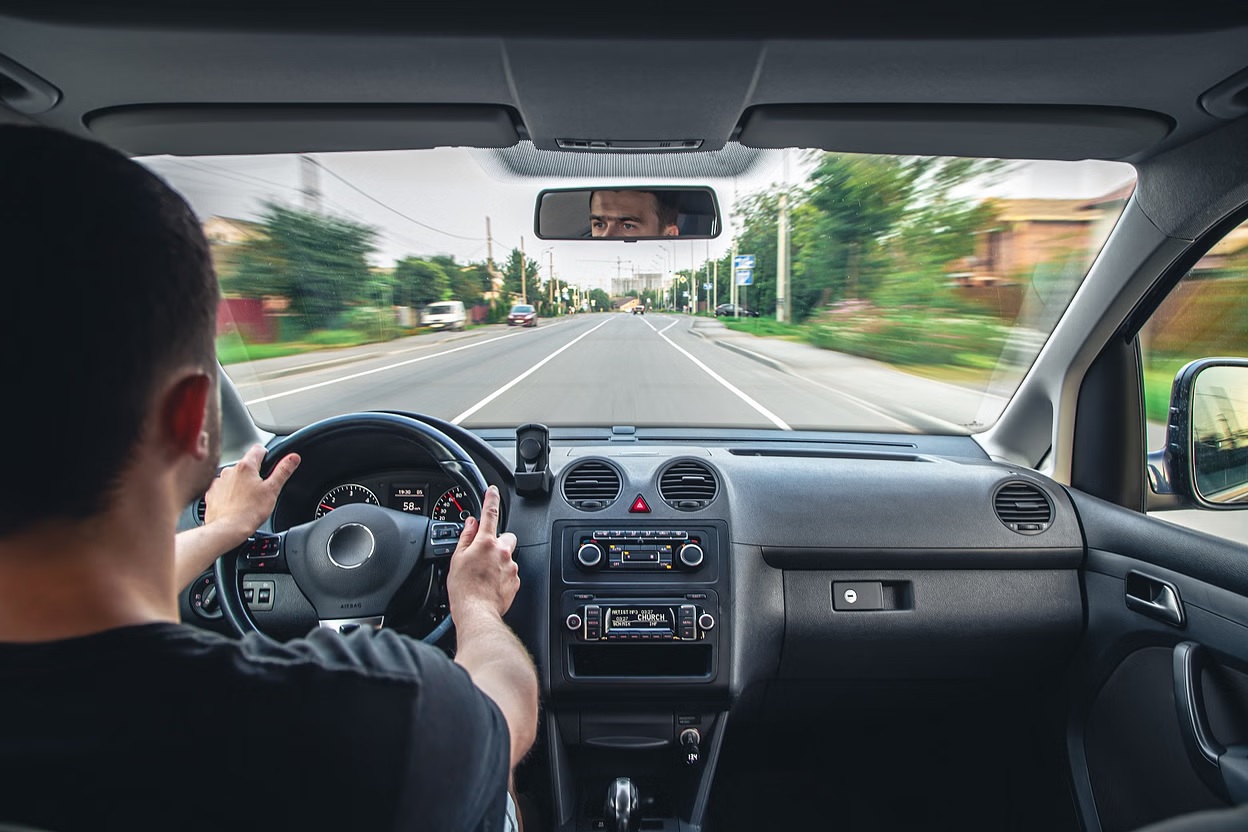
Introduction: More Than a Mode of Transport
Vehicles are far more than machines that move us from point A to point B. They are powerful symbols of progress, innovation, independence, and global connectivity. From the earliest horse-drawn carriages to the ultra-modern electric cars and autonomous machines of today, vehicles have shaped societies, economies, and environments in profound ways. Whether on land, sea, or air, the concept of vehicular travel represents humanity’s enduring desire to explore, connect, and evolve.
In this comprehensive article, we explore the world of vehicles—from their varied types and technological developments to their impact on society and the future of mobility.
The Wide Spectrum of Vehicles
Vehicles come in an astounding array of shapes, sizes, and functions. Each type serves a distinct purpose and meets the needs of different individuals, industries, and environments.
1. Land Vehicles
These are the most commonly encountered forms of transportation.
-
Passenger Cars: Sedans, hatchbacks, SUVs, and coupes used for personal mobility.
-
Motorcycles and Scooters: Two-wheeled options prized for agility, fuel efficiency, and affordability.
-
Commercial Trucks and Vans: Designed for transporting goods and services across cities and continents.
-
Buses and Coaches: Essential public transport vehicles moving millions daily.
2. Water Vehicles
Aquatic transportation has existed for millennia and remains critical to global trade and travel.
-
Boats and Yachts: Often used for leisure or fishing.
-
Ferries: Used for short-distance human and vehicle transportation.
-
Cargo Ships and Tankers: The backbone of international shipping.
-
Submarines: Specialized for underwater exploration, research, and military operations.
3. Air Vehicles
Airborne transportation has redefined global connectivity.
-
Commercial Airplanes: Enabling intercontinental travel within hours.
-
Helicopters: Used for vertical lift and access to remote areas.
-
Private Jets and Drones: From luxury travel to aerial photography and delivery services.
The Technological Evolution of Vehicles
The vehicle industry is one of the most technologically dynamic sectors in the modern world. Each decade brings transformative advancements that reshape what vehicles can do and how they do it.
Key Milestones in Vehicle Technology:
-
The Internal Combustion Engine: Powered the first automobiles and set the stage for the motor age.
-
Automatic Transmissions and Power Steering: Improved drivability and comfort.
-
Electric and Hybrid Powertrains: Mark a shift towards sustainable energy.
-
Autonomous Driving Systems: Introduce the potential for driverless mobility.
-
Connected Cars: Vehicles now interact with networks for navigation, traffic updates, and diagnostics.
Vehicles and Society: Interconnected Realities
Vehicles influence our daily lives in both obvious and subtle ways. Their impact spans across personal freedom, urban planning, and even global economics.
Social and Cultural Influence
-
Symbol of Freedom and Identity: For many, owning a vehicle signifies independence and personal achievement.
-
Cultural Icons: Classic cars, motorbikes, and even fictional vehicles (like the Batmobile) hold cultural significance.
-
Lifestyle Enablers: RVs, camper vans, and off-road vehicles support adventure-driven lifestyles.
Economic Importance
-
Mass Employment: Millions of jobs globally depend on vehicle manufacturing, maintenance, sales, and logistics.
-
Commerce and Trade: Trucks and cargo vehicles are integral to supply chains and delivery systems.
-
Tourism and Travel: Rental vehicles, taxis, and buses are essential to the travel and hospitality industries.
Environmental Considerations
While vehicles offer tremendous benefits, they also present environmental challenges that cannot be overlooked.
Major Environmental Impacts:
-
Air Pollution: Combustion engines emit greenhouse gases and particulate matter.
-
Resource Consumption: Manufacturing and fueling vehicles require significant natural resources.
-
Urban Congestion: High vehicle density leads to traffic, noise, and air quality issues.
Solutions and Innovations:
-
Electric Vehicles (EVs): Produce zero tailpipe emissions and are becoming increasingly mainstream.
-
Public Transport Systems: Reduce per-capita emissions and ease urban congestion.
-
Alternative Fuels: Hydrogen, biodiesel, and solar-powered vehicles are being explored.
Choosing the Right Vehicle: Factors to Consider
With so many options on the market, choosing a vehicle involves thoughtful consideration based on practical needs and long-term goals.
-
Purpose: Is it for daily commuting, long-distance travel, or heavy-duty work?
-
Fuel Efficiency: Especially important with rising fuel costs and environmental concerns.
-
Budget: Include purchase price, insurance, maintenance, and fuel.
-
Space and Comfort: Consider family size, cargo needs, and interior features.
-
Technology and Safety: Look for modern driver-assist features and crash test ratings.
The Future of Vehicles: Mobility Reimagined
The next chapter in vehicular evolution promises to be the most revolutionary yet. It’s no longer just about what a vehicle can do—but how it connects with the world and its users.
Emerging Trends Shaping the Future:
-
Autonomous Vehicles: Self-driving cars are already being tested and hold promise for reducing accidents and increasing accessibility.
-
Mobility-as-a-Service (MaaS): Subscription-based models offering access to different vehicle types without ownership.
-
Flying Vehicles and Air Taxis: Once science fiction, these are now in experimental phases.
-
AI-Driven Fleet Management: Companies are using artificial intelligence to optimize routes and reduce operational costs.
-
Sustainable Design: Future vehicles will be lighter, recyclable, and more energy-efficient.
Final Thoughts: A Journey Through Time, Technology, and Purpose
Vehicles have been instrumental in shaping modern life, linking cities, countries, and people in ways once thought impossible. But they are more than mechanical constructs; they are reflections of our ambitions, innovations, and responsibilities. Whether you’re riding a bike, piloting a jet, or exploring the world in an electric car, every vehicle tells a story—of movement, change, and discovery.
As we enter an era of intelligent mobility and environmental consciousness, our relationship with vehicles is poised to become more meaningful than ever. The journey continues, not just on roads, but through the possibilities of imagination, ethics, and engineering. Choose your vehicle—and your path—wisely.