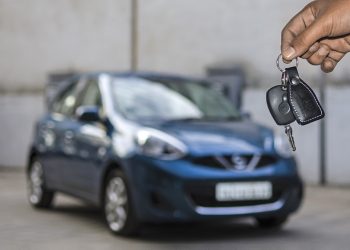
Introduction: More Than Just a Middleman
In today’s fast-paced, digitally influenced automotive landscape, the role of the car dealer has evolved far beyond the traditional image of a salesperson with a shiny showroom and persuasive charm. A modern car dealer is a multifaceted professional—part consultant, part financier, part service provider—tasked with guiding consumers through one of the most significant purchases of their lives. Whether dealing in new or pre-owned vehicles, the reputation and professionalism of a car dealership can make or break a customer’s buying experience.
This article explores the essential functions, challenges, and evolving dynamics of the car dealer industry, offering insights into how dealerships are adapting to technology, customer expectations, and market trends.
Understanding the Role of a Car Dealer
Car dealers act as intermediaries between automobile manufacturers and consumers. Their responsibilities extend well beyond selling vehicles. A reputable dealership serves as a one-stop hub for purchasing, financing, servicing, and sometimes even customizing vehicles.
Key Functions of a Car Dealer
-
Sales of New and Used Vehicles
Dealers represent various manufacturers, offering a broad selection of models tailored to diverse preferences and budgets. Many also operate certified pre-owned programs that provide high-quality used vehicles with warranties and inspections. -
Financing and Leasing Services
Most dealerships work with multiple financial institutions to offer buyers loan and lease options. They help assess credit, present interest rate comparisons, and structure repayment plans suited to the buyer’s financial situation. -
Trade-In Valuations
Customers often trade in their existing vehicles when purchasing a new one. Dealers appraise the car’s market value and apply it as a down payment or discount toward the new purchase. -
Servicing and Repairs
Many car dealers operate full-fledged service centers staffed with certified technicians. They offer maintenance services, repairs, recalls, and part replacements using OEM (original equipment manufacturer) components. -
Vehicle Registration and Documentation
Dealerships handle the bureaucratic elements such as registration, tax payments, and insurance coordination, making the buying process seamless for customers.
Types of Car Dealerships
Car dealers differ in their business models, scale, and inventory. Understanding these distinctions helps customers select the dealership best suited to their needs.
1. Franchised Dealerships
Authorized by specific manufacturers, these dealerships exclusively sell certain brands. They have access to the latest models, offer warranties backed by the manufacturer, and follow strict brand guidelines in sales and service practices.
2. Independent Dealerships
These are not tied to any one brand and generally specialize in used vehicles. While they may offer lower prices, the quality and warranty terms can vary significantly, making it essential to research thoroughly.
3. Buy-Here, Pay-Here (BHPH) Dealers
Catering primarily to customers with poor or no credit history, BHPH dealers provide in-house financing. While convenient, they often charge higher interest rates and have strict repossession terms.
How to Choose the Right Car Dealer
A car purchase is a major decision—choosing the right dealership can greatly influence the experience. Here’s what to consider:
-
Reputation and Reviews
Explore online platforms like Google, Yelp, and DealerRater to read customer experiences. Consistency in positive feedback is often a reliable indicator of trustworthiness. -
Inventory Quality
A good dealership will maintain a well-documented and varied stock, both new and used. Transparent pricing and thorough inspection reports are key signs of professionalism. -
Customer Service
A test of any dealership is how they treat a potential customer before the sale. Are they attentive, honest, and informative? Or do they use high-pressure tactics? -
After-Sales Support
Solid dealerships prioritize relationships, not just transactions. Inquire about service packages, warranty coverage, and response to customer concerns post-purchase. -
Certifications and Affiliations
Look for affiliations with professional bodies such as the National Automobile Dealers Association (NADA), which imply compliance with ethical and operational standards.
The Digital Shift: Online Dealerships and E-Commerce
The auto industry has not escaped the e-commerce revolution. Online car buying platforms like Carvana, Vroom, and even dealer websites have transformed the way people shop for cars. Today’s leading dealers embrace digital tools to enhance transparency and convenience.
Features of the Digital Dealership Model
-
Virtual Showrooms with high-resolution images, 360-degree views, and real-time inventory updates
-
Online Financing Applications and credit assessments
-
Live Chat Support to answer customer questions on-demand
-
Home Test Drives and Delivery Options offered by progressive dealerships
While this model offers convenience and speed, it also places the onus on the buyer to perform due diligence regarding vehicle history, return policies, and customer service reputation.
Common Myths About Car Dealers
Over the years, several myths have skewed public perception of car dealerships. Let’s address a few:
-
“All dealers are overpriced and out to trick you.”
While unethical practices exist in every industry, most established dealers thrive on reputation and repeat business. Transparent pricing and customer satisfaction are their best marketing tools. -
“You should never buy add-ons from a dealer.”
Not all add-ons are unnecessary. Gap insurance, extended warranties, and service packages can be valuable, especially when offered at fair prices. -
“You must visit multiple dealers to get the best deal.”
Thanks to online listings and digital negotiations, it’s easier than ever to compare prices across dealers from the comfort of your home.
The Future of Car Dealerships: Adaptation and Innovation
Car dealers are at a crossroads of innovation. With the rise of electric vehicles (EVs), autonomous driving, and connected technology, the role of the dealer is poised for transformation.
-
EV Readiness
Dealerships are investing in EV charging infrastructure and technician training to service electric vehicles, a segment expected to dominate the future market. -
Subscription and Shared Ownership Models
Some dealers are offering flexible subscription services that allow users to switch cars without long-term commitment—blending car ownership with modern lifestyles. -
Enhanced CRM Tools
Customer Relationship Management (CRM) software is enabling dealers to maintain ongoing relationships with clients through service reminders, upgrade offers, and tailored promotions. -
Sustainability Practices
Eco-conscious dealers are incorporating sustainable practices like paperless documentation, energy-efficient showrooms, and recycling programs.
Conclusion: The Car Dealer as a Partner in Mobility
A modern car dealer is not merely a seller but a trusted partner in mobility. Their role extends far beyond the initial handshake—spanning guidance, after-sales support, technical expertise, and even lifestyle advice. Whether buying your first vehicle or upgrading to a new model, choosing a reputable dealer ensures peace of mind and long-term satisfaction. In a world where vehicles are more technologically advanced than ever, the car dealer remains an essential human touchpoint in an increasingly automated journey.